
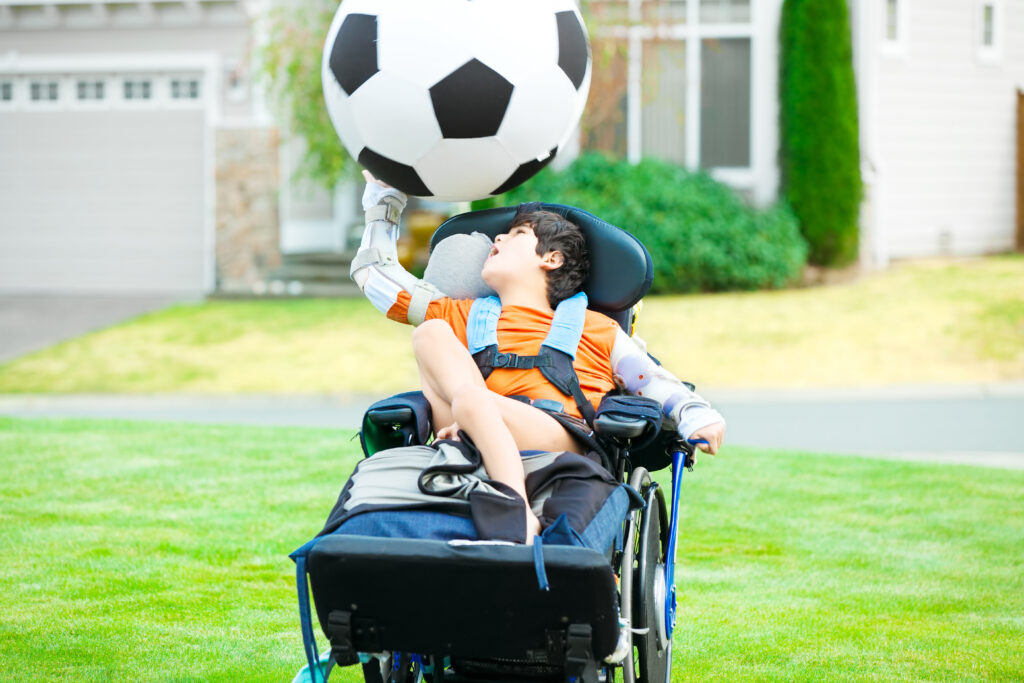
 Adapted soccer, often referred to as “adaptive soccer” or “disabled soccer,” is a variant of the world’s most popular sport, designed to accommodate individuals with a wide range of disabilities. This inclusive and diverse form of soccer embraces the belief that everyone should have the opportunity to enjoy the beautiful game, regardless of their physical or cognitive limitations. Here, we delve into an introduction to adapted soccer and explore how it serves as a bridge to inclusivity in the world of sports.
Inclusivity at Its Core: Adapted soccer is built on the principle of inclusivity, breaking down barriers that traditionally limited participation in mainstream soccer. It creates an open and welcoming space for individuals with disabilities, ensuring that they can experience the joy, camaraderie, and numerous physical and mental benefits that the sport offers.
Varied Adaptations: Adapted soccer recognizes the unique needs of each participant. Depending on the type and severity of disabilities, there are various adaptations and modifications that can be made to the game. For instance, individuals with mobility impairments may use specialized wheelchairs, while visually impaired players may rely on sound-emitting balls to locate them on the field. These adaptations level the playing field, allowing all participants to engage fully.
Diverse Player Base: The player base of adapted soccer is exceptionally diverse. It includes individuals with physical disabilities, cognitive impairments, visual or auditory impairments, and even those with multiple disabilities. This diversity not only enriches the experience but also fosters an environment of acceptance and understanding among players and supporters alike.
Inclusive Leagues and Organizations: Adapted soccer has gained prominence globally, with dedicated leagues, tournaments, and organizations focused on promoting inclusivity. These initiatives provide structured platforms for players of all ages and skill levels to participate in the sport, ensuring that adapted soccer is not just a pastime but a competitive and organized endeavor.
Community and Empowerment: Beyond the game itself, adapted soccer builds a sense of community and empowerment. Players often form close bonds with teammates and find emotional support and encouragement within their teams. Additionally, the sport empowers individuals with disabilities, boosting self-esteem and confidence as they showcase their skills and abilities on the field.
Awareness and Advocacy: Adapted soccer also plays a crucial role in raising awareness about the capabilities and potential of individuals with disabilities. It challenges stereotypes and fosters a more inclusive society where people with disabilities are seen as active and capable contributors.
In conclusion, adapted soccer represents a vital step towards creating an inclusive society where everyone, regardless of their abilities or disabilities, can participate in sports and reap the associated physical, emotional, and social benefits. By embracing the diversity of its participants and providing tailored adaptations, adapted soccer demonstrates the power of sports to unite people and break down barriers, ultimately contributing to a more inclusive and empathetic world.