
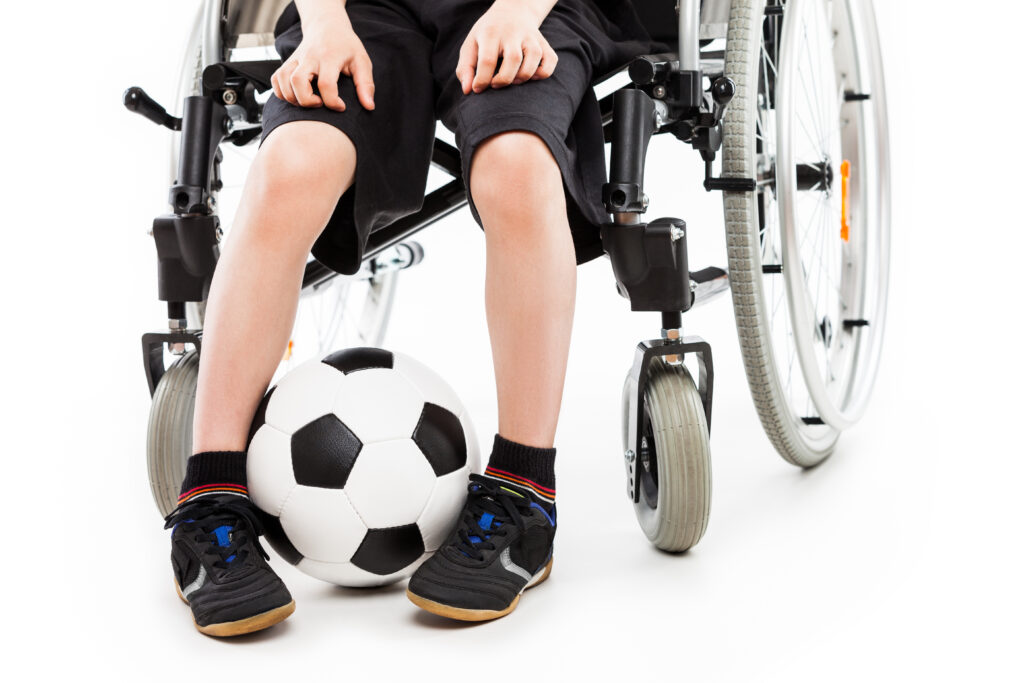
 Soccer, known for its dynamic nature and continuous movement, offers a multitude of physical benefits for disabled individuals. The sport’s adaptability and inclusivity make it an excellent choice for people with disabilities to engage in regular physical activity. Here, we explore the profound physical advantages that soccer can bring to disabled players.
Improved Cardiovascular Health: Soccer involves constant running, jogging, and sprinting, which elevate heart rate and promote cardiovascular fitness. This enhanced heart health can help reduce the risk of heart-related conditions and boost overall endurance, regardless of an individual’s disability.
Enhanced Muscular Strength and Endurance: The sprinting, kicking, and body movements in soccer engage various muscle groups, leading to improved muscular strength and endurance. Regular soccer play can contribute to stronger legs, core muscles, and upper body strength, which are essential for daily activities.
Better Balance and Coordination: Soccer requires precise control of the ball and rapid changes in direction, fostering improved balance and coordination. For individuals with mobility impairments or balance issues, these skills can be particularly beneficial in daily life.
Weight Management: Engaging in soccer helps manage body weight by burning calories and increasing metabolism. This benefit is essential for individuals with disabilities, as maintaining a healthy weight can alleviate stress on joints and enhance overall well-being.
Increased Flexibility: Soccer involves a wide range of body movements, promoting flexibility in muscles and joints. For disabled individuals, increased flexibility can alleviate stiffness and discomfort associated with certain conditions or immobility.
Enhanced Respiratory Function: The aerobic nature of soccer encourages deep and controlled breathing, improving respiratory function. This can be especially valuable for individuals with respiratory conditions, such as asthma, as it helps increase lung capacity and oxygen intake.
Pain Management: Engaging in physical activity like soccer can release endorphins, the body’s natural painkillers, helping individuals manage chronic pain associated with disabilities or injuries. Regular exercise may even reduce the reliance on pain medications.
Improved Motor Skills: Soccer requires precise motor skills, such as kicking, dribbling, and passing. These skills can be particularly beneficial for individuals with cognitive or developmental disabilities, as they enhance fine and gross motor skills.
Enhanced Range of Motion: The dynamic movements in soccer can lead to an improved range of motion in joints and muscles. This can be instrumental in helping individuals with disabilities maintain functional movement patterns.
Overall Well-Being: Engaging in soccer offers a holistic approach to physical fitness, improving overall well-being. The physical benefits extend to mental health, fostering a sense of accomplishment and contributing to a positive self-image.
In conclusion, soccer provides a comprehensive array of physical benefits for disabled individuals, irrespective of their specific disabilities. It promotes cardiovascular health, muscular strength, balance, and flexibility while helping manage weight and enhancing respiratory function. These physical improvements contribute to a better quality of life, increased independence, and a stronger sense of physical well-being for disabled players. Adapted soccer, with its inclusivity and tailored approaches, proves to be an empowering avenue for individuals to unlock their physical potential.